Product Description
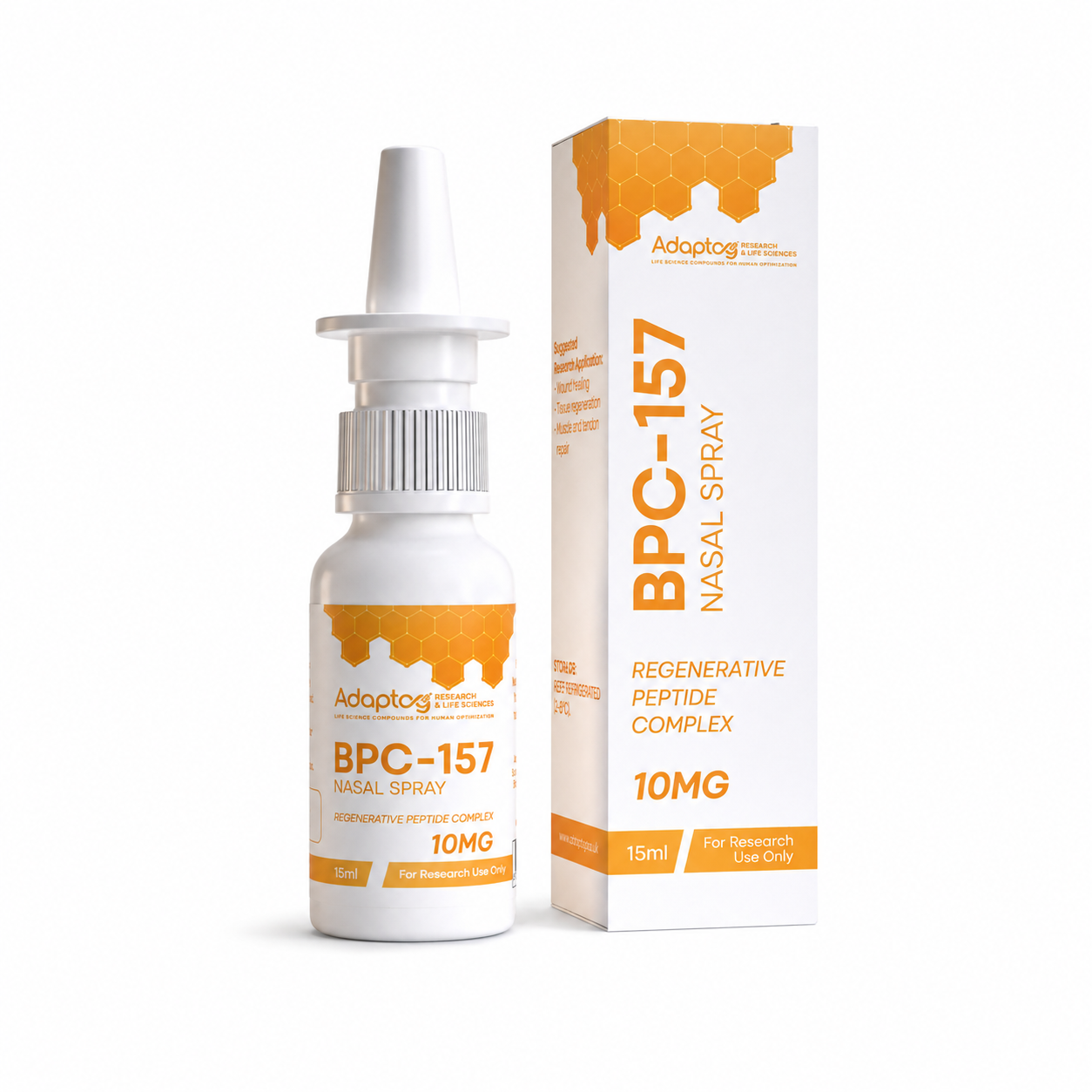
BPC-157 is one of the most extensively studied peptides in regenerative and cytoprotective research, with a body of literature exploring its activity across gastrointestinal, vascular, and musculoskeletal models. The 10mg vial size from Adaptog Peptides is well suited to laboratories running larger-scale or longer-duration studies that benefit from a single concentrated reagent rather than multiple smaller reconstitutions.
Researchers often buy BPC-157 10mg from Adaptog Peptides for studies such as:
Investigating angiogenesis and vascular endothelial growth factor signalling
Examining cellular migration and fibroblast activity in repair-pathway research
Studying gastrointestinal mucosal protection in controlled models
Mapping interactions between BPC-157 and the nitric oxide system
Because BPC-157 has such a broad and well-characterised research footprint, it remains a foundational reagent across regenerative biology and cytoprotection studies. Adaptog Peptides delivers BPC-157 10mg as a high-purity laboratory compound prepared strictly for qualified research environments. It does not serve any clinical, diagnostic, or therapeutic purpose.
For research use only. Not for human consumption.