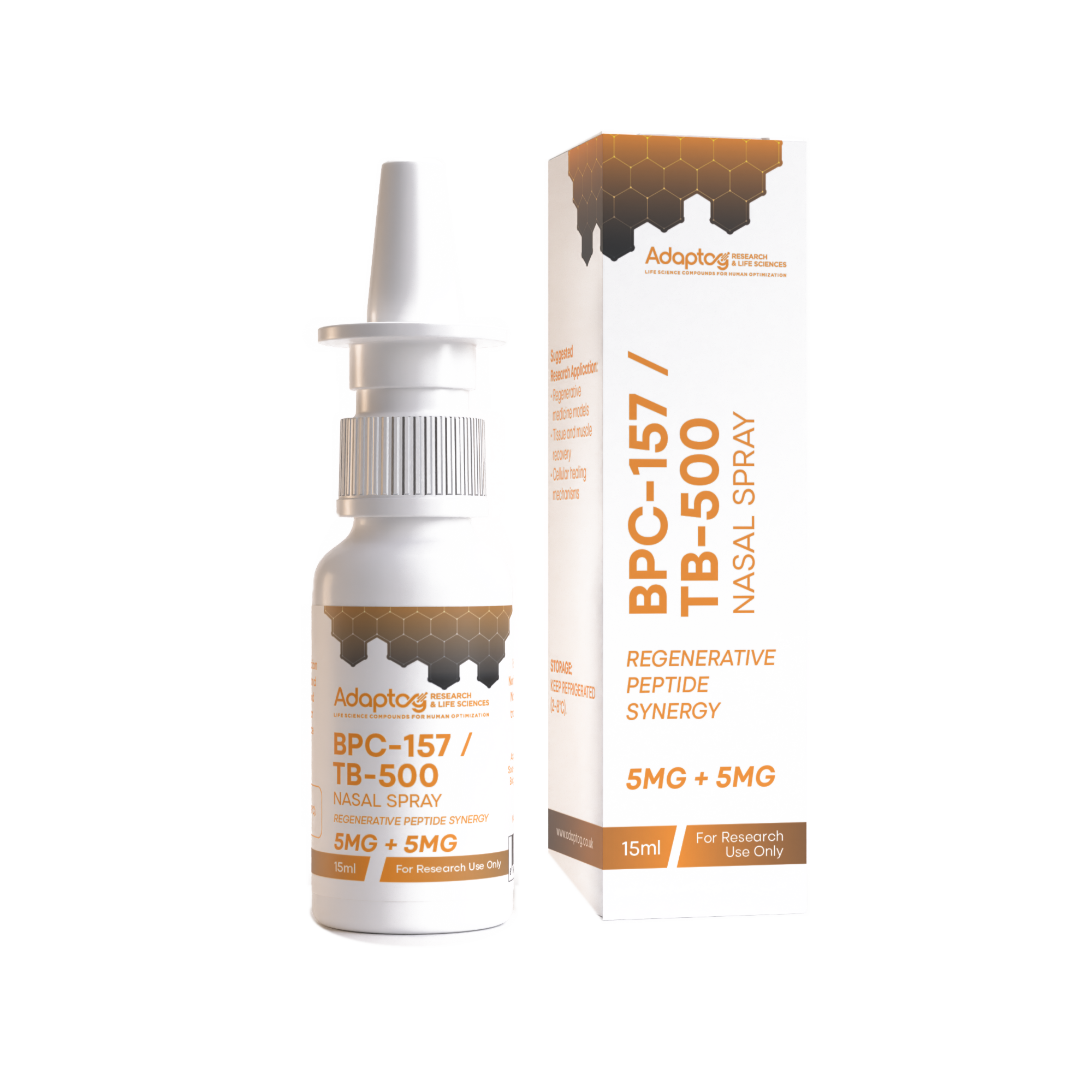
BPC-157 / TB-500 (5/5)

$90.00

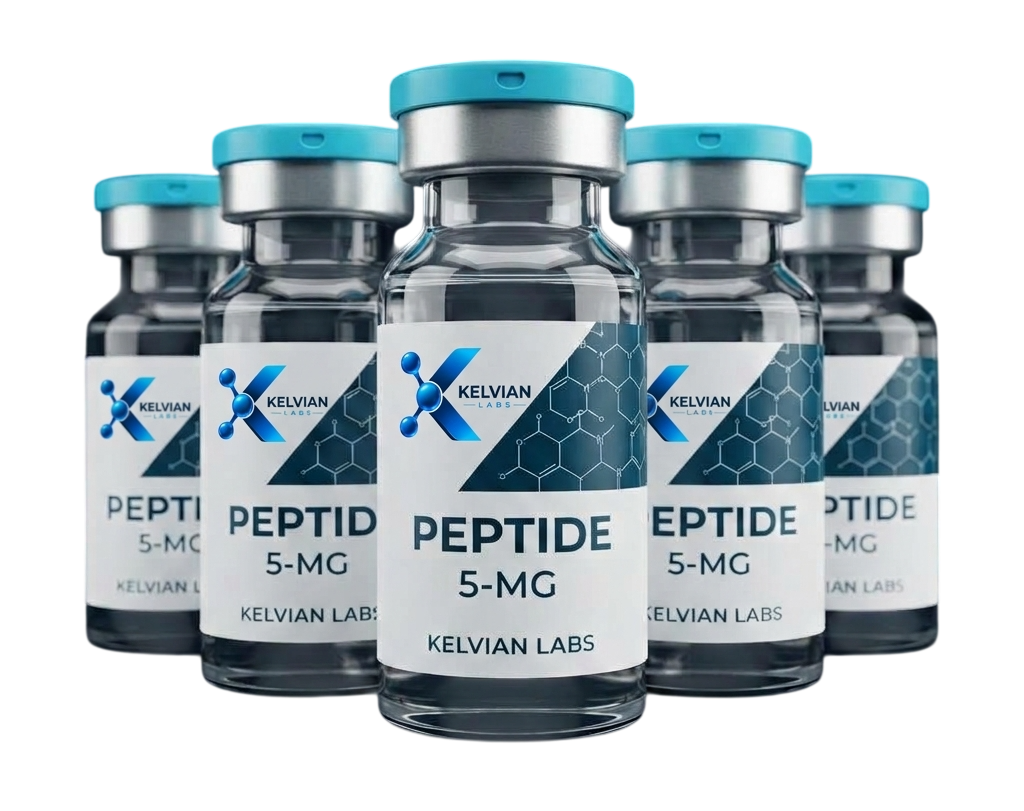
The BPC-157/TB-500 (5/5) blend from Adaptog Peptides combines two of the most widely investigated peptides in tissue-repair and cytoprotection research. Each vial pairs 5mg of BPC-157 with 5mg of TB-500, giving researchers a single reagent for studies that examine the combined or comparative effects of both compounds. Adaptog supplies this blend at consistent purity for reproducible experimental work.

BPC-157 and TB-500 are studied across overlapping research areas including angiogenesis, fibroblast activity, and connective-tissue modelling. Combining them in a single vial allows investigators to streamline protocols when their experimental design calls for parallel exposure. Adaptog Peptides supplies the BPC-157/TB-500 (5/5) blend so laboratories can run efficient, well-controlled studies without managing two separate reconstitutions.
Researchers often buy the BPC-157/TB-500 blend from Adaptog Peptides for tasks such as:

Examining additive or comparative effects on cellular migration and repair pathways
Investigating angiogenic markers in controlled in-vitro models
Studying interactions between cytoprotective and actin-binding mechanisms
Streamlining workflows that require both peptides at fixed ratios

Because both peptides have well-documented research profiles, this blend is a practical reagent for laboratories already familiar with each compound. Adaptog Peptides delivers BPC-157/TB-500 (5/5) as a high-purity laboratory blend intended exclusively for qualified research environments. It serves no clinical, diagnostic, or therapeutic purpose.
For research use only. Not for human consumption.

Product Description

BPC-157 and TB-500 are studied across overlapping research areas including angiogenesis, fibroblast activity, and connective-tissue modelling. Combining them in a single vial allows investigators to streamline protocols when their experimental design calls for parallel exposure. Adaptog Peptides supplies the BPC-157/TB-500 (5/5) blend so laboratories can run efficient, well-controlled studies without managing two separate reconstitutions.
Researchers often buy the BPC-157/TB-500 blend from Adaptog Peptides for tasks such as:

Examining additive or comparative effects on cellular migration and repair pathways
Investigating angiogenic markers in controlled in-vitro models
Studying interactions between cytoprotective and actin-binding mechanisms
Streamlining workflows that require both peptides at fixed ratios

Because both peptides have well-documented research profiles, this blend is a practical reagent for laboratories already familiar with each compound. Adaptog Peptides delivers BPC-157/TB-500 (5/5) as a high-purity laboratory blend intended exclusively for qualified research environments. It serves no clinical, diagnostic, or therapeutic purpose.
For research use only. Not for human consumption.
Compound Information
MOLECULAR PROFILE
TypeSynthetic compound
CategoryResearch Compound
Purity≥99%
FormLyophilized powder
STORAGE REQUIREMENTS
Lyophilized (powder)

-20°C · 24+ months

Reconstituted

2–8°C · ~30 days

Certificate of Analysis

Third-party tested for purity and quality.

PURITY
0 %
Variant GLP3-RT 10mg
Lot # REF0001
Labeled 20mg
Actual 22.61mg
Tested APR 15, 2026

Coming soon

Research
New England Journal of Medicine

Triple–Hormone-Receptor Agonist GLP-3 (RT) for Obesity — A Phase 2 Trial

2023
DOI: 10.1056/NEJMoa2301972
· Jastreboff AM, et al.

New England Journal of Medicine

Triple–Hormone-Receptor Agonist GLP-3 (RT) for Obesity — A Phase 2 Trial

2023
DOI: 10.1056/NEJMoa2301972
· Jastreboff AM, et al.

New England Journal of Medicine

Triple–Hormone-Receptor Agonist GLP-3 (RT) for Obesity — A Phase 2 Trial

2023
DOI: 10.1056/NEJMoa2301972
· Jastreboff AM, et al.

Related Research

COA Request

Researcher verification.
kelvian Labs sells research peptides exclusively to qualified researchers and laboratories for in vitro and laboratory use. Please confirm before continuing.
By proceeding you affirm the statements above are true. Products are not for human or veterinary use, not for use in diagnostic procedures, and have not been evaluated by the U.S. Food and Drug Administration.

Not a researcher? Exit